
Climate action microgrant case studies
Take a look at the range of projects that have been made possible for Richmond residents, schools and community groups thanks to a Climate Action microgrant.
We are proud to celebrate the fantastic projects across Richmond in 2024. With projects covering a wide range of skills and focus areas, these initiatives have allowed our residents, pupils and community groups to demonstrate their understanding of climate change, biodiversity and sustainability. They've done this while gaining skills that promote a sustainable future such as gardening, repairing, recycling and more.
Community microgrants
An example of some of the projects made possible in the Richmond community.
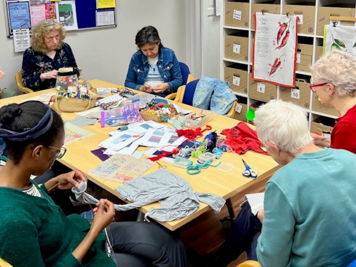
Yukiko Munemoto – Japanese stitch workshop
Teaching circular behaviours to residents through repairing and upcycling.
The full reward of £500 allowed two free workshops which turned out to be very popular. They covered simple methods for mending and upcycling garments, talking about the importance of quality and care and how we can be resourceful through a little creativity.
A representative of the organisation said: “Feedback from participants were very positive, indicating they would use the techniques and ideas they tried at the workshop which made them confident. Another benefit was the social nature of the event.”
Extinction Rebellion Hampton – Heat pump talk
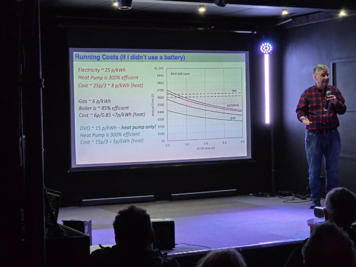
Over 80 residents were better equipped with the knowledge needed to transition to a heat pump.
A representative of the organisation said: “The talk went very well. Hopefully people who came to the talk will feel more prepared for the process of installing a heat pump and will talk to other people about their experience, creating a ripple effect throughout the community.
“One of the members of our group had been told that their house was not suitable for a heat pump. However, due to taking part in the project, she re-investigated and found that they could get a heat pump installed and that is now in progress.”
Barnes Common – Summer series of talks
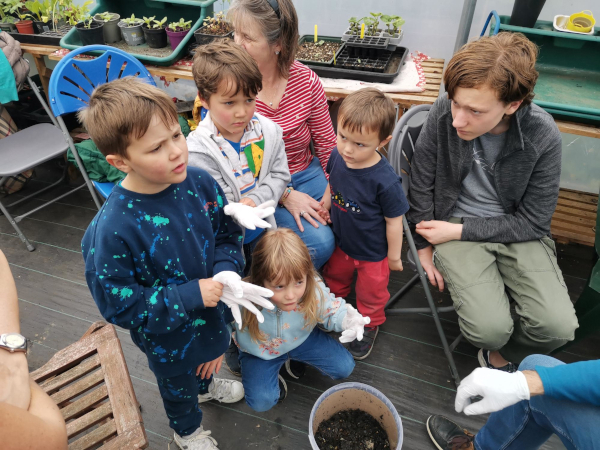
Equipping the community to share knowledge on different aspects of growing and sustainability.
The grant meant they were able to offer the talks for free, so they were accessible to everyone.
A representative of the organisation said: “The talks were informative, and many people learned new information and were up skilled on different aspects of sustainability and growing which they will use in their own gardens, and in many cases, within their organisations and the wider community.
"Many attendees have since come to volunteer at the growing project, which helps to ensure the project is sustainable and benefits the community in the longer-term.”
The Conservation Volunteers – Restoring a pocket parklet site
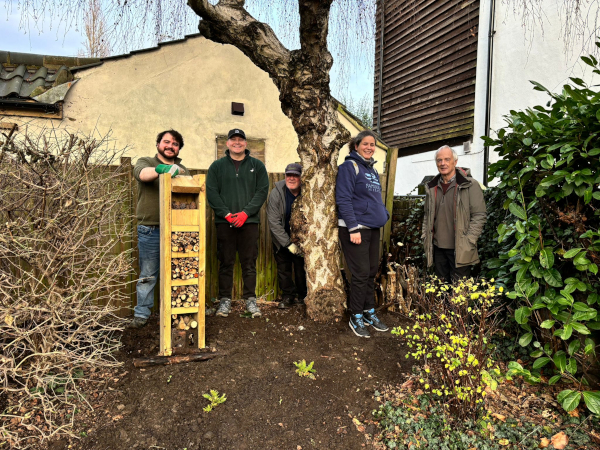
Six volunteers worked hard to restore the Queen’s Bench community area in a single day, allowing residents to connect with the green space again.
A representative of the organisation said: “Overall, the day went really smoothly. We completed all tasks planned for the project and the volunteers had a great time. Throughout the day we had local residents, and interested passer-by's, stopping to talk about their connection to this greenspace and thank us for the work we were doing. We even had a retired gardener who lived down the road let us know that he was inspired to come out later that same day to prune the existing rosebushes onsite.”
The Museum of Richmond – Work and Play Scrapstore subscription
Reducing their costs whilst promoting the circular economy through a Scrapstore membership.
A representative of the organisation said: “Visitors love that we are using repurposed materials and we love spreading the word about another charity organisation like the Scrapstore. Really helps us feel like everyone is winning!”
The Museum of Richmond – Summer family workshops
Mixing history and sustainability through waste reduction focussed workshops inspired by museum objects.
The workshops focused on sustainability and reducing waste. Inspired by some museum objects, including a World War Two patchwork dress, they upcycled donated tote bags and materials like buttons and sequins, having a go at patchwork and discovering mending techniques.
A representative of the organisation said: “We discussed how clothing and other items can be used by others when we are done with them, and how we can reuse and adapt them, turning them into something new and exciting, instead of sending them to landfill.
"The majority of the materials used have been donated or purchased from charity shops, helping to encourage the circular economy. In the long term this helped the community understand that recycling and upcycling are not new ideas and that we can learn a lot from the past about how we can be better at doing more with less. It also introduced children, and adults to new skills (or helped them rediscover old ones) like sewing and simple embroidery skills.”
“The mix of history and crafting. Great to learn and have fun at the same time.” - Workshop attendant.
Taggs Island Residents Association – Bat habitat encouragement
Twenty five attendees helped create more homes for bats on Taggs Island, helping to protect the endangered species.
The grant was used to buy winter and summer bat boxes, and host a bat talk and walk evening for the island community, with Habitats & Heritage.
A representative of the organisation said: “We had approximately 25 people attend our evening event and the enthusiasm was infectious. We had no difficulty in finding homes for our bat boxes.”
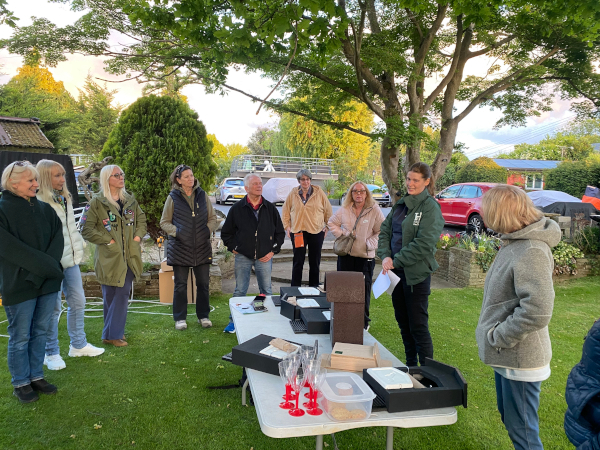
ETNA Community Centre X Habitats and Heritage – Composting workshops
The free sold-out sessions saw 70 people across three workshops learn about how to start their composting journey to reduce their waste.
A participant said: “It increased my knowledge of composting. It sounds corny, but I enjoyed all of it - from the quiz to the tour of the composting bins. Straightforward, easy to understand info for the compost beginner like me. Great presenters. Opportunity for questions.”
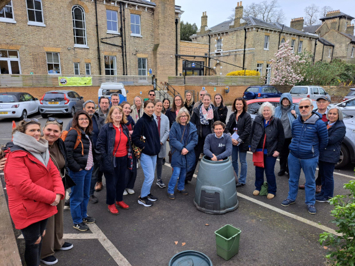
Makers United – Secondary school workshop
Reducing textile waste by teaching students to use existing fabric to create beautiful clothing, led by ex-film industry costume maker.
Tutor, Linda Copland, who has worked in the film industry making costumes for the actors, led this workshop talking to the students about the importance of using existing fabrics and materials.
Linda said: “The students were delighted with the workshop, and they have learnt so much and are keen and more confident to use up the available fabrics and not to buy if not needed. More workshops like these are requested by other schools in the borough.”
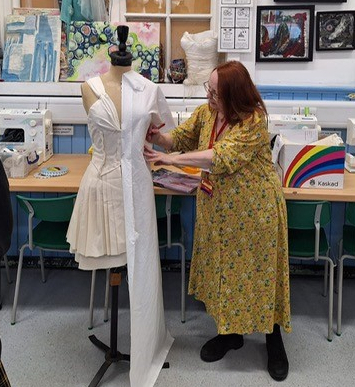
Friends of Meadway Orchard – Funding water butts
Promoting climate adaptation and resilience through the installation of a water butt and drainage system.
A representative of the organisation said: “The project went smoothly with one of the volunteers leading on the purchasing of the water butts and the attached drainage system. All the volunteers of Friends of Meadway Orchard contributed to the project but two people in particular planned the installation which was tricky as it was attached to the tool shed.”
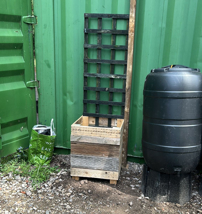
Schools microgrants
An example of some of the projects made possible at Richmond schools.
St Richard’s CE Primary School – Reinstating the Weather Station Information Board
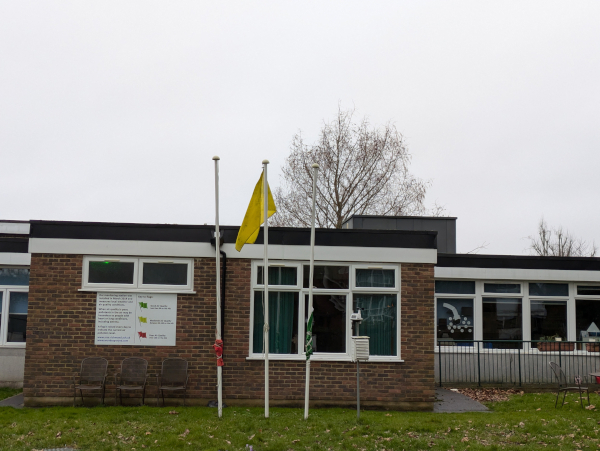
St Richard’s CE Primary School have three flags outside: red, amber and green. They display these depending on the air quality on the day. They needed an information board to accompany the flags.
A representative of the primary school said: “Our local community are used to seeing our flags flying but not all of them understand their significance. By mounting the board on the wall, visible from Ashburnham Road and the passers-by, the members of our community will now understand what the coloured flags represent.”
Hampton Infant School Association – Eco School Garden Project
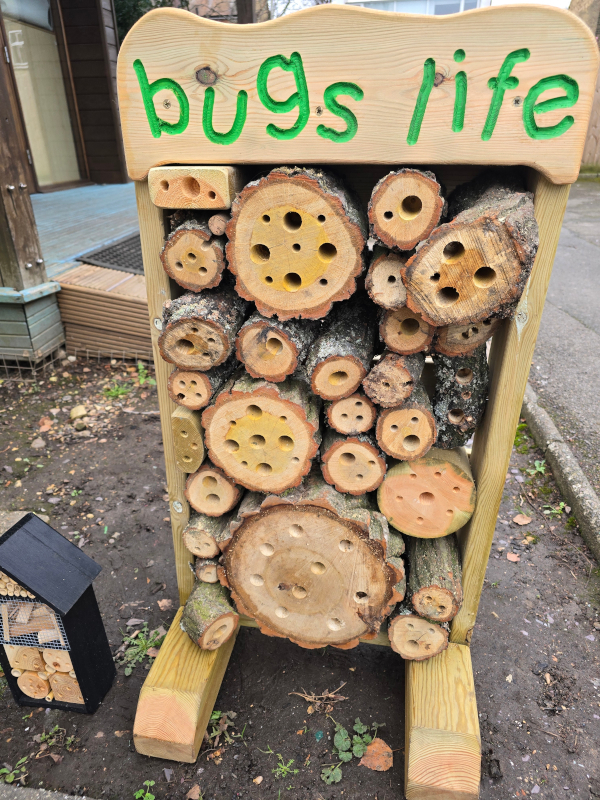
Enabling students to start their journey of improving the biodiversity of their outdoor environment.
A representative of the primary school said: “We have put into our school site several bug houses and wild seeds will help the local wildlife as part of growing plans to widen the eco garden to a bigger forest school project. We have put in place new trees on the site (in addition to the grant) which are growing, so this will further help the environment in our school.”
St Edmunds Primary School – Climate Ed Workshops
Educating and empowering students to take action on climate change.
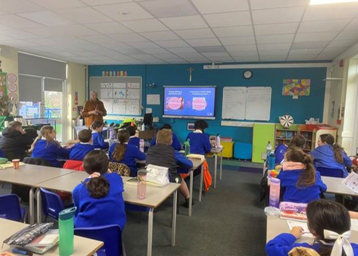
A representative of the organisation said: “We were able to deliver our climate science and climate action programme to a cohort of Year 6 students at St Edmund's Primary School in Richmond. This was significant for us because we hadn’t done much work in Richmond before, so it enabled us to expand our volunteer team in the borough and forge a relationship with a new school.
"The feedback from the school and students was very positive. 95% of students said the programme had improved their knowledge of climate change, 82% said it had inspired them to take action on climate change, and 82% said it had made them feel positive about how they can help with climate change."
The school said: ‘It’s such an interesting topic and very much what the students want to learn more about.”
Kew Riverside Primary School – Gardening Club and Allotment
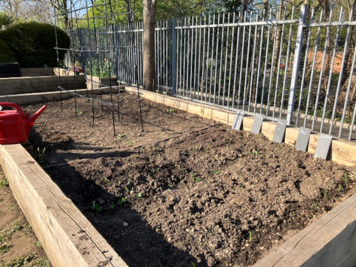
Helping to maintain the student’s much-loved allotment space.
A representative of the primary school said: “The funds were very gratefully received. We were able to purchase much needed soil to top up our allotment beds - this was a significant amount of the money we spent. New trowels and spades were also bought, together with a small metal pagoda to grow plants. The children prepared the soil and have so far planted fruit and vegetables (onions, peas, carrots, potatoes, pumpkins, apple trees and raspberry canes).
“Thank you so much - it has really kick started a great initiative at school with wonderful learning opportunities and much enjoyment.”
Up to: Climate action microgrants
Updated: 26 August 2025